Rotating Proxies Explained: Benefits, Use Cases & How They Work in 2026
Rotating Proxies Explained: Benefits, Use Cases, and How They Work in 2026
Whether you’re extracting competitive intelligence, managing social media accounts at scale, or conducting market research across global markets, rotating proxies provide the infrastructure necessary for uninterrupted, high-volume operations. Let’s explore how these dynamic networking tools function and why they’ve become indispensable for modern digital operations.
What Are Rotating Proxies: Core Concepts and Fundamentals
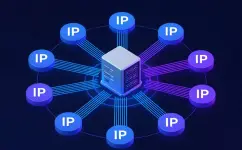
A rotating proxy explained in straightforward terms is a proxy server system that automatically switches your IP address either after each request, at specified time intervals, or based on custom triggers. Unlike static proxies that maintain the same IP throughout your session, rotating proxies cycle through a pool of IP addresses, distributing your requests across hundreds, thousands, or even millions of different IPs.
This rotation mechanism serves a critical purpose: preventing pattern recognition and detection by target websites. When you make thousands of requests from a single IP address, anti-bot systems quickly identify and block your activity. Rotating proxies solve this challenge by presenting each request as coming from a different user, effectively mimicking the behavior of multiple legitimate visitors rather than a single automated system.
The fundamental difference between rotating and static proxies lies in predictability. Static proxies provide consistency but create detectable patterns. Rotating proxies sacrifice consistency for anonymity and scale, making them ideal for operations where avoiding detection takes priority over maintaining the same identity.
How Rotating Proxies Work: Technical Architecture and Mechanisms
Understanding how rotating proxies work requires examining the sophisticated infrastructure that manages IP rotation, request routing, and pool management. The system operates through several interconnected components working in concert.
The Rotating Proxy System Architecture:
• IPs sourced from residential or datacenter networks
• Continuous monitoring for health and availability
• Per-request, timed, or session-based rotation
• Load balancing across available IPs
• System selects appropriate IP from pool
• Request forwarded through selected IP
• Data routed back through proxy infrastructure
• Response delivered to your application
Advanced rotating proxy systems implement intelligent rotation algorithms that consider factors like IP reputation, response times, geographic requirements, and historical success rates. This optimization ensures you always get the best-performing IP for each specific request.
Rotation Modes Explained:
Types of Rotating Proxies: Choosing the Right Infrastructure
Not all rotating proxies operate identically. The market offers several distinct types, each optimized for specific use cases and performance profiles:
Detection Rate: Less than 0.1%, virtually undetectable
Speed: Moderate (1-3 second latency)
Pricing: $8-15 per GB traffic
Pool Size: 50M-100M+ IPs
Best For: Social media, e-commerce, protected websites
Detection Rate: 15-30%, more easily identified
Speed: Very fast (100-500ms latency)
Pricing: $1.50-4 per GB or per IP
Pool Size: 10K-1M+ IPs
Best For: High-speed scraping, less protected sites
Detection Rate: Extremely low, carriers share IPs
Speed: Variable (1-4 second latency)
Pricing: $12-25 per GB traffic
Pool Size: Growing, 5M-20M IPs
Best For: Mobile app testing, social media automation
Detection Rate: Very low, appears residential
Speed: Fast (300ms-1 second latency)
Pricing: $3-8 per IP monthly
Pool Size: Moderate, 100K-1M IPs
Best For: Balance of speed and legitimacy
For those new to proxy technology, experimenting with a free proxy list can provide basic understanding of proxy functionality before investing in premium rotating services. However, free proxies lack the rotation capabilities, reliability, and performance that commercial rotating proxy services deliver.
Rotating Proxy Benefits: Why Rotation Matters for Modern Operations
The advantages of rotating proxy benefits extend far beyond simple IP masking. Rotation fundamentally transforms how you can interact with websites at scale:
Before committing to a rotating proxy service, verifying proxy quality is essential. Using a proxy checker tool helps assess speed, anonymity level, and reliability of rotating proxy pools before purchase.
Real-World Applications: Who Uses Rotating Proxies and Why
Rotating proxies power critical operations across diverse industries, each leveraging rotation capabilities to solve specific challenges:
- Extract product data from e-commerce platforms without blocks
- Monitor competitor pricing across thousands of SKUs daily
- Aggregate real estate listings from multiple property websites
- Collect travel and airline pricing data for comparison engines
- Gather news articles and content for media monitoring
- Track keyword rankings from multiple geographic locations
- Analyze SERP features and competitor positioning globally
- Monitor backlink profiles and domain authority changes
- Conduct comprehensive competitor content analysis
- Verify local SEO performance across different regions
- Verify ad placement accuracy across different locations
- Detect click fraud and bot traffic patterns
- Monitor campaign performance from user perspectives
- Ensure brand safety and compliance verification
- Test ad rendering on various networks and devices
- Automated purchasing for limited edition products
- Price monitoring and dynamic pricing strategy
- Inventory availability tracking across regions
- Review and rating collection for competitive analysis
- Market basket analysis and product recommendation testing
- Manage multiple accounts without detection or linking
- Automate posting and engagement at scale
- Conduct sentiment analysis and trend monitoring
- Profile scraping for influencer identification
- Hashtag performance tracking across demographics
- Collect financial data from multiple exchanges
- Monitor stock prices and trading volumes in real-time
- Aggregate economic indicators from government sources
- Gather research papers and academic publications
- Track cryptocurrency prices across global exchanges
Rotating Proxies Pricing: Investment and Cost Structures
Understanding Rotating Proxy Pricing Models
Pricing varies significantly based on proxy type, pool size, rotation capabilities, and target use case
Typical Package Structures
Selecting the Right Rotating Proxy Provider: Key Evaluation Criteria
Choosing an effective rotating proxy provider requires careful evaluation of technical capabilities, infrastructure quality, and support systems:
Essential Features Comparison:
| Feature | Why It Matters | What to Look For |
|---|---|---|
| Success Rate Guarantee | Determines operational reliability | 99%+ success rate SLA with refund policy |
| Connection Speed | Impacts data collection throughput | Response times under 2 seconds for residential, sub-500ms for datacenter |
| Concurrent Connections | Parallel processing capability | Minimum 100 threads for professional operations |
| Authentication Methods | Security and integration ease | Username/password and IP whitelist with rotation credentials |
| API Access | Programmatic control | RESTful API for pool management, usage tracking, and configuration |
| Protocol Support | Application compatibility | HTTP/HTTPS and SOCKS5 protocols supported |
| Customer Support | Quick issue resolution | 24/7 technical support with dedicated account management |
Implementing Rotating Proxies: Setup and Configuration Guide
Deploying rotating proxies effectively requires proper configuration and integration with your specific tools and workflows:
Configuration Process:
- Provider Selection and Account Setup: Choose a provider matching your requirements, create an account, and select an appropriate package based on expected bandwidth consumption.
- Rotation Configuration: Determine optimal rotation strategy for your use case. High-volume scraping benefits from per-request rotation, while account-based tasks may require sticky sessions of 10-30 minutes.
- Authentication Setup: Configure credentials with rotation parameters. Format typically includes rotation logic in username:
user-rotate:passwordoruser-session-30min:password - Integration Implementation: Connect your scraping framework, automation tool, or application to the proxy endpoint using provided gateway addresses and ports.
- Testing and Optimization: Conduct thorough testing with your target websites. Monitor success rates, speed, and adjust rotation frequency based on results.
Integration Examples:
import requests

proxies = {

  "http": "http://user-rotate:pass@gateway:8080",

  "https": "http://user-rotate:pass@gateway:8080"

}

response = requests.get(url, proxies=proxies)Rotating IP Address: Best Practices for Optimal Performance
Maximizing the effectiveness of rotating IP address systems requires following established best practices and avoiding common pitfalls:
- Implement delays between requests (1-3 seconds) to mimic human behavior
- Randomize delay durations to avoid predictable patterns
- Respect website resources even with rotation capabilities
- Monitor for rate limiting despite IP rotation
- Start conservative and increase rotation frequency as needed
- Use sticky sessions for operations requiring state persistence
- Per-request rotation for maximum distribution and anonymity
- Monitor success rates to determine optimal rotation intervals
- Rotate User-Agent strings alongside IP rotation
- Match headers to appear as legitimate browsers
- Include appropriate Accept-Language for geographic IPs
- Maintain consistent browser fingerprints within sessions
- Track success rates per target domain
- Monitor bandwidth consumption and cost efficiency
- Identify and document blocked IPs or patterns
- Maintain logs for troubleshooting and optimization
Common Challenges and Troubleshooting Solutions
Even with premium rotating proxies, operators occasionally face challenges. Understanding solutions ensures smooth operations:
Solution: Enable fastest IP selection in dashboard, increase request timeout values, or switch to datacenter rotating proxies for speed-critical operations
Solution: Use sticky session mode with appropriate duration (10-30 minutes), implement session cookie persistence, or maintain session state server-side
Solution: Optimize scraping logic to reduce redundant requests, implement intelligent caching, compress responses when possible, or negotiate volume discounts
Solution: Increase rotation frequency, add longer delays between requests, implement browser fingerprint randomization, or switch to residential from datacenter proxies
Legal and Ethical Considerations for Rotating Proxies
Using rotating proxies responsibly requires understanding legal boundaries and ethical obligations:
The Future of Rotating Proxies: 2026 and Beyond
The rotating proxy industry continues evolving with several key trends shaping future developments:
FAQ: Frequently Asked Questions About Rotating Proxies
Static proxies maintain the same IP address throughout your session or for extended periods, providing consistency but creating detectable patterns. Rotating proxies automatically change your IP address either per request, at timed intervals, or based on session rules, distributing your activity across thousands of IPs to prevent pattern detection and rate limiting. Rotating proxies are essential for high-volume operations, while static proxies work better for scenarios requiring IP consistency.
Optimal rotation frequency depends on your target website and operation scale. For aggressive scraping of well-protected sites, rotate per request to maximize distribution. For moderate scraping, rotate every 5-10 requests or every 1-5 minutes. For account-based operations requiring session persistence, use sticky sessions of 10-30 minutes. Monitor your success rates and adjust accordingly—if you experience blocks, increase rotation frequency; if operations run smoothly, you can reduce rotation to save costs.
Rotating proxies significantly reduce block rates but cannot eliminate them entirely. Advanced anti-bot systems analyze behavioral patterns, browser fingerprints, and request characteristics beyond just IP addresses. To maximize success, combine IP rotation with appropriate request timing, realistic User-Agent headers, proper cookie handling, and behavior that mimics human users. Residential rotating proxies with per-request rotation achieve 99%+ success rates on most websites when properly configured.
Social media account management requires sticky session rotation rather than per-request rotation. Use session persistence of 10-30 minutes to maintain consistent IPs during login, posting, and engagement activities. Rotating too frequently triggers security measures and account verification processes. Each account should use a dedicated IP during its session, with rotation occurring between sessions. This approach mimics natural user behavior while preventing account linking across your managed profiles.
Bandwidth consumption depends entirely on your activities. Simple web scraping of text content uses approximately 50-200KB per page, meaning 10GB handles 50,000-200,000 pages. Image-heavy sites or video content consume significantly more—1-5MB per page. API requests typically use 5-50KB per request. For initial estimation, start with 10-20GB monthly for small operations, 50-100GB for medium-scale operations, and 200GB+ for large-scale data collection. Monitor actual usage in your first month to establish accurate requirements.
Choose residential rotating proxies when targeting well-protected websites (social media, e-commerce, financial sites), requiring high success rates, or needing geographic authenticity. Choose datacenter rotating proxies when speed is critical, targeting less protected sites, operating with budget constraints, or performing high-volume operations where some failures are acceptable. Many professionals use residential proxies for primary operations and datacenter proxies for supplementary tasks, optimizing the cost-to-performance ratio.